Metal Mesh Electrode with Holder - set of 10 pcs
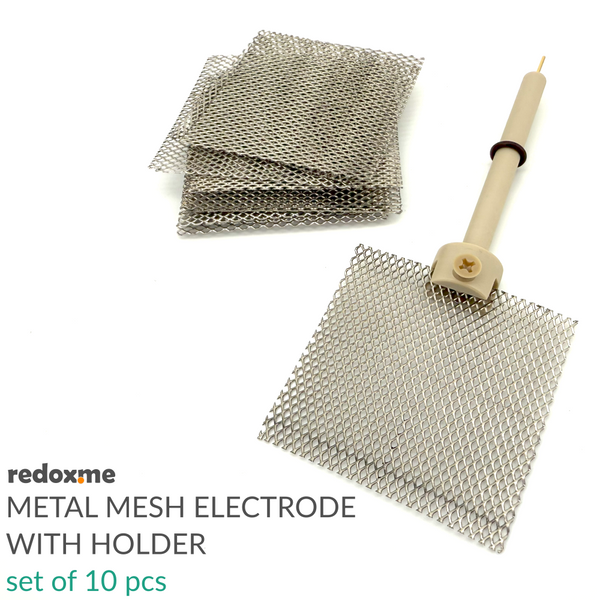


Metal mesh electrodes are essential components in electrochemical applications, serving as counter electrodes to complete the electrical circuit and enable efficient electrochemical reactions. Electrodes in this product are designed with an expanded mesh structure, maximizing surface area while maintaining mechanical stability. The material chosen for the mesh plays a significant role in determining the electrode’s performance, such as its conductivity, corrosion resistance, and durability in specific environments.
Electrodes with high electrical conductivity are preferred for applications requiring efficient electron flow, such as in energy storage systems or electroplating processes. At the same time, the material must be resistant to corrosion, especially in aggressive or corrosive environments, to ensure long-term stability and prevent degradation during continuous use. In some applications, lightweight electrodes are needed to minimize the overall system weight, while in others, robust, corrosion-resistant electrodes are essential for handling harsh conditions, such as high acidity or exposure to chloride-rich solutions.
The mesh structure of these electrodes enables a large surface area to come into contact with the electrolyte, thereby improving the efficiency of the electrochemical process. This design is particularly beneficial in processes like electrolysis, fuel cell reactions, or corrosion studies, where maximizing the reaction site is critical. Additionally, the durability of the metal ensures that the electrodes maintain their structural integrity over time, even under varying temperatures and electrolyte conditions.
For each material variant, the electrode mesh was made from pure metal with laboratory-grade purity. The electrode is installed in the Basic Sample Holder (1 piece included in the set), which allows full immersion of the electrode in the electrolyte (wet tantalum contact). It well fits aqueous and organic solvent electrolyte requirements. You can also choose the version without the holder. Electrode size is customizable on request.
Application note
Nickel (Ni201) mesh counter electrodes are highly durable and offer excellent resistance to corrosion, particularly in alkaline environments. Nickel is also known for its good electrical conductivity, which makes it suitable for many electrochemical applications where efficient electron flow is critical. Nickel is typically used in alkaline electrolysis, electrochemical sensors, and rechargeable batteries.
Aluminium mesh counter electrodes provide moderate electrical conductivity and excellent corrosion resistance, particularly in non-acidic environments. Aluminium is typically used in electroplating of non-ferrous metals, corrosion studies, and low-cost electrolysis.
Titanium mesh counter electrodes are known for their exceptional corrosion resistance, particularly in harsh environments such as seawater and highly acidic or oxidative solutions. Typical applications of Titanium include seawater electrolysis, fuel cells, and electrochemical sensors in marine or industrial applications.
Copper mesh counter electrodes provide excellent electrical conductivity, which enhances the efficiency of electrochemical reactions. However, copper is more prone to corrosion in oxidative or acidic environments, so it is typically used in applications where these conditions are minimal or controlled. Copper is typically used in the electroplating of copper, battery testing, especially those with low electrochemical reactivity, and electrochemical synthesis.
Stainless Steel 316L, an alloy with low carbon content, offers superior corrosion resistance, especially in chloride-rich and acidic environments. Its high mechanical strength, combined with excellent durability, makes it a popular choice for demanding electrochemical applications. Stainless Steel 316L is typically used in electrolysis, particularly in the production of chlorine or hydrogen, fuel cells, and corrosion testing studies, especially in the marine and chemical industries.
SAE/AISI 1006 is a low-carbon steel containing a maximum of 0.08% carbon. This mesh can be used as a sacrificial anode in electrosynthesis, providing a source of iron ions through controlled anodic dissolution. Suitability depends on the electrolyte and reaction conditions; manganese and other minor constituents should be considered where high chemical purity is required.
ARMCO® Pure Iron is technically pure iron with a minimum iron content of 99.85% and a maximum carbon content of 0.010%. This mesh is a candidate for sacrificial anodes in electrosynthesis, supplying iron ions through anodic dissolution while limiting the introduction of alloying elements compared with conventional low-carbon steel. Suitability depends on the electrolyte and reaction conditions.
Specification
Mesh type: expanded metal
mesh hole size: 3 mm x 2 mm
mesh thickness: 0.5 mm
electrode size: 25x25mm2, 50x50mm2, 100x100mm2, custom
Intrastat data
HS Code: 750210 (nickel), 761699 (aluminium), 810890 (titanium), 741920 (copper), 731419 (Stainless Steel 316L), 731419 low-carbon steel SAE/AISI 1006, 731419 pure iron ARMCO grade 2
Country of Origin: Sweden
NET weight: 100 g
Product includes
10 x Metal Mesh Electrode of selected size and material
1 x Basic Sample Holder (if selected)
Related products
Electrochemical cells
Photo-electrochemical cells
Electrosynthesis and microbial reactors